
How to prepare a two-wheeler for transport, when crating is worth it, and which documents make a claim simple.
Why a bike needs different handling
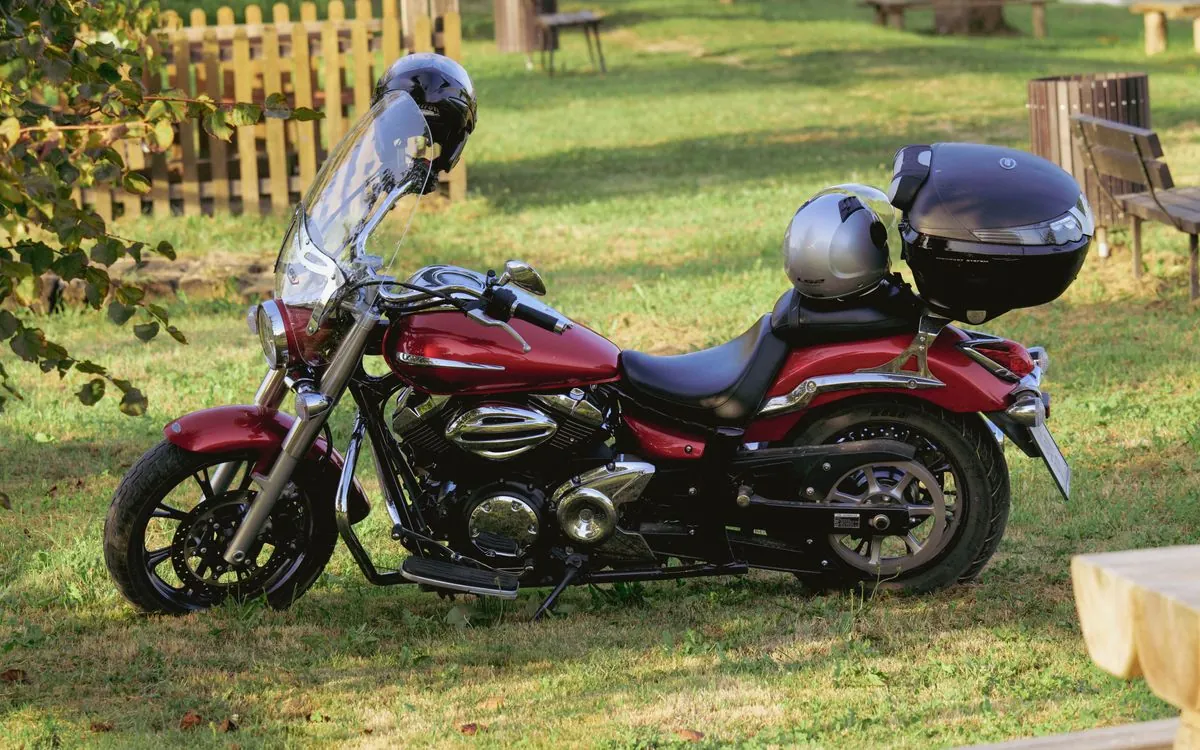
A motorcycle is compact but awkward. It has exposed controls, a chain, mirrors and a finish that scratches easily against a truck wall. Unlike a cupboard, it cannot simply be wrapped in a blanket; it needs to be secured so that it cannot rock when the vehicle brakes. In Delhi, where bikes are often moved between flats, to a new city, or back to a hometown, the handling decision matters more than the distance on the map.
Most damage complaints are small rather than dramatic: a bent lever, a chipped fairing, a scraped tank or a mirror that disappears in transit. These happen because the bike was loaded upright without straps, or because loose items were left attached. A good transport plan removes the variables. Decide who drains the fuel, who removes the mirrors, how the bike is strapped, and where it sits in the vehicle before the pickup time.
- Secure the bike against rocking
- Remove loose accessories
- Decide the fuel level in advance
- Photograph existing scratches
Pre-move inspection and documentation
Start with a dated inspection. Photograph the bike from both sides, the front, the rear, the tank, the seat, the wheels and any existing scratches. Note the odometer reading and keep the photos in the same folder as the registration certificate and insurance copy. This is not about expecting a dispute; it is about having a clear baseline so that a small mark noticed later can be compared honestly.
Check that the registration is current and that the insurance is valid for the transport date. If the bike is financed, keep the necessary NOC or permission documents ready, especially when moving out of Delhi to another state. Ask the carrier what identification the rider or the receiver must show at pickup and delivery. A gate pass may also be needed in your society, so confirm that with the manager a day early.
- Dated photos from all angles
- Odometer reading
- RC and insurance copies
- Society gate pass
Draining, disconnecting and cleaning
Reduce the fuel to about a quarter of the tank. A full tank is heavy and can leak on a long halt; an almost empty tank makes it difficult to ride away at the destination. Disconnect the battery terminal if the bike will be in transit for more than a day, and remove the mirrors, windshield and any aftermarket accessories that can be packed separately. Wrap the removed parts in cloth and label the bag with the bike model.
Clean the bike lightly before pickup. Mud and dust hide existing damage and can rub against the paint when a cover is tied down. Check the tyre pressure and make sure the brakes are not dragging. If the chain is loose, tighten it or note it for service later. Do not attempt major repairs on the morning of pickup; a small, well-documented condition is easier to transport than a half-finished mechanical job.
- Quarter tank of fuel
- Disconnect battery for long transit
- Remove mirrors and accessories
- Light clean before pickup
What crating actually means
Crating means the bike is placed in a wooden or reinforced box built around it, with padding at the contact points. The crate protects against dust, rain, loading forks and other cargo pressing against the body. For a new or high-value bike, or a move that involves multiple handling points, a crate is the safer choice. The crate should be bolted or strapped, not merely held together with a few nails.
Ask to see a photograph of a previously built crate rather than relying on the word ‘crating’ in a quote. A good crate has a base the wheels can be fixed to, side panels that do not touch the paint, and clear marking on the fragile sides. If the bike is shipped without a crate, it should still be wrapped and strapped to a pallet or a dedicated two-wheeler carrier with soft slings, not tied with a single rope.
- Reinforced base with wheel fixes
- Padding at contact points
- Photo of a previous crate
- Straps and soft slings
Choosing between crated and uncrated transport
Crated transport costs more and takes more space, but it reduces the number of things that can go wrong. It is worth considering when the bike will travel a long distance, when it will be loaded and unloaded several times, or when the paint and fairings are difficult to replace. A crated bike also sits more comfortably on a shared truck with household goods, because other cartons cannot press against it.
Uncrated transport is reasonable for a short, direct move with a carrier that specialises in two-wheelers and uses proper ramps and straps. In that case, the checking routine becomes more important: be present at loading, watch how the straps are placed, and agree where the bike will sit. Avoid choosing purely on price. A lower rate that excludes crating may still be fair, but only if the alternative protection is clearly described.
- Choose crating for long or multi-handle moves
- Specialist carrier for short direct moves
- Watch the strapping
- Compare protection, not price alone
Insurance specifics for two-wheelers
Insurance for a bike in transit is separate from your regular motor policy in most cases. Ask the carrier whether they offer a transit cover, who the insurer is, and what documents are required. Confirm the sum insured, the excess you would pay on a claim, and whether natural weather, theft or loading damage are included. Read the exclusions rather than the headline promise.
If you already have a comprehensive motor policy, ask your insurer whether it covers transit and under what conditions; do not assume it does. Keep the dated photos, the odometer reading, the pickup receipt and the delivery note together. If a claim is needed, these items turn a slow conversation into a simple file. Also remember that modifications may need to be declared; an undeclared accessory is a common reason for a reduced settlement.
- Transit cover is usually separate
- Sum insured and excess
- Check weather and loading exclusions
- Declare modifications
Loading, transit and arrival checks
At pickup, see the bike loaded if you can. The wheel should be fixed to the base or the carrier, and the straps should pass over stable parts rather than over mirrors, cables or the exhaust. The crew should use ramps rather than lifting the bike by the handlebars. If the truck is shared, ask that the bike be placed away from heavy cartons that could shift against it during a brake.
At delivery, inspect before signing. Compare the bike with your dated photos, check the mirrors and levers, and start it briefly if the battery is connected. Note any new mark on the delivery paper and take a photo immediately. If the crate arrived open or damaged, say so before the vehicle leaves. A calm, five-minute inspection at the gate protects both you and the carrier, because the condition is recorded while the crew is still present.
- Ramps, not handlebar lifting
- Straps over stable parts
- Away from shifting cartons
- Inspect before signing
Common mistakes and how to avoid them
One frequent mistake is leaving a helmet, documents or a bag on the bike just for the trip. Loose items rub, fall or get separated during unloading. Pack them in your personal luggage instead. Another mistake is assuming that the carrier will drain fuel or remove mirrors; unless it is written in the scope, it probably will not happen. Put every pre-move task into a short checklist and tick it before pickup.
Finally, do not schedule the pickup for the evening before you need the bike. Delhi traffic and a shared truck’s other delivery points make arrival times flexible. Give yourself a day of buffer, especially if the bike is needed for work. Keep the registration copy with you rather than in the crate, and share the receiver’s phone number with the supervisor. If the receiver is an elderly family member or a neighbour, brief them on what to check at delivery. Clear handovers are what make a small transport job feel simple.
- Nothing loose on the bike
- Write down who does what
- Allow a day of buffer
- Brief the receiver
Handing over the bike without last-minute confusion
The condition of your bike at handover matters as much as the crate it travels in. Wash it a day before loading so that existing scratches are visible and can be photographed from both sides, the front, the rear, the tank and the mirrors. Note the fuel level in writing. Most carriers prefer very little fuel in the tank during transport, and a clear note avoids a dispute later. Photograph the odometer and ask the driver or supervisor to acknowledge the reading on the delivery note. This is not distrust; it is ordinary care for a machine that will pass through several hands.
Remove loose accessories such as phone mounts, helmets, extra mirrors and aftermarket lights. Keep them with you rather than hoping they will survive inside the crate. Fold the mirrors if they are not being removed, and check that the handlebar is straight. Ask whether the bike will be strapped inside a wooden crate or on an open carrier with belts, and where the belt contact points will be. A good packer will place cushioning at those points. When the bike arrives, inspect it before signing anything, and take a short video while unpacking. If something looks wrong, note it immediately.
- Photograph existing scratches before loading.
- Keep fuel low and record the odometer reading.
- Remove loose accessories and carry them separately.
- Inspect the bike and note damage before signing delivery papers.
Moving charges at a glance
Find your row and column, then apply the city tier below.
| House size | Local within 50 km | 200–500 km | 500–1,500 km | 1,500+ km |
|---|---|---|---|---|
| 1 RK / Studio5–10 cartons, basic furniture | ₹4,500 – ₹9,000 | ₹9,000 – ₹16,000 | ₹18,000 – ₹30,000 | ₹30,000 – ₹48,000 |
| 1 BHK15–25 cartons, bed, sofa, fridge | ₹6,000 – ₹12,000 | ₹12,000 – ₹22,000 | ₹22,000 – ₹38,000 | ₹36,000 – ₹60,000 |
| 2 BHK30–45 cartons, full home | ₹9,000 – ₹18,000 | ₹18,000 – ₹32,000 | ₹32,000 – ₹55,000 | ₹52,000 – ₹88,000 |
| 3 BHK50–70 cartons, multi-room | ₹14,000 – ₹26,000 | ₹26,000 – ₹46,000 | ₹46,000 – ₹78,000 | ₹72,000 – ₹1,20,000 |
| 4 BHK / Villa80+ cartons, large furniture | ₹22,000 – ₹42,000 | ₹42,000 – ₹72,000 | ₹72,000 – ₹1,20,000 | ₹1,10,000 – ₹1,85,000 |
| 5 BHK / Bungalow100+ cartons, multiple vehicles | ₹32,000 – ₹60,000 | ₹60,000 – ₹1,00,000 | ₹1,00,000 – ₹1,70,000 | ₹1,55,000 – ₹2,60,000 |
City tier adjustment
Example: 2 BHK, 700 km, Tier 1 ≈ ₹35,200 – ₹68,750.
Indicative bands. The written quote after inventory is final; GST, tolls and optional cover are separate.
Frequently asked questions
Should I drain all the petrol?
No. Around a quarter of a tank is usually enough. A full tank adds weight and leak risk, while an empty tank makes it awkward to ride away after delivery.
Is crating necessary for a short move within Delhi?
Not always. A specialist two-wheeler carrier with proper ramps and straps can be enough for a direct short move. Choose crating if the bike is new, valuable, or will be handled more than once.
Will my motor insurance cover transit?
It depends on the policy. Many comprehensive policies have conditions for transit, so ask your insurer in writing. A separate transit cover from the carrier is often clearer.
What should I remove before pickup?
Mirrors, windshield, loose accessories and documents. Disconnect the battery for longer journeys, and keep the removed parts in a labelled bag with your luggage.
What if I notice damage after delivery?
You may still have a claim, but it is harder without a delivery note. Inspect before signing, photograph any new mark, and inform the carrier the same day. Keep your pre-move photos ready.
Do you provide written quotes for Delhi?
Yes. We send an itemised quote that separates packing, labour, transport and optional services.
How do I book a moving service in Delhi?
Share your pickup, destination and item details by email or through the enquiry form. We reply with a written quote and dates.
Do you serve all Delhi localities?
Yes. Our crews cover Central, West, South West, South, South East, East, North East and North Delhi.