
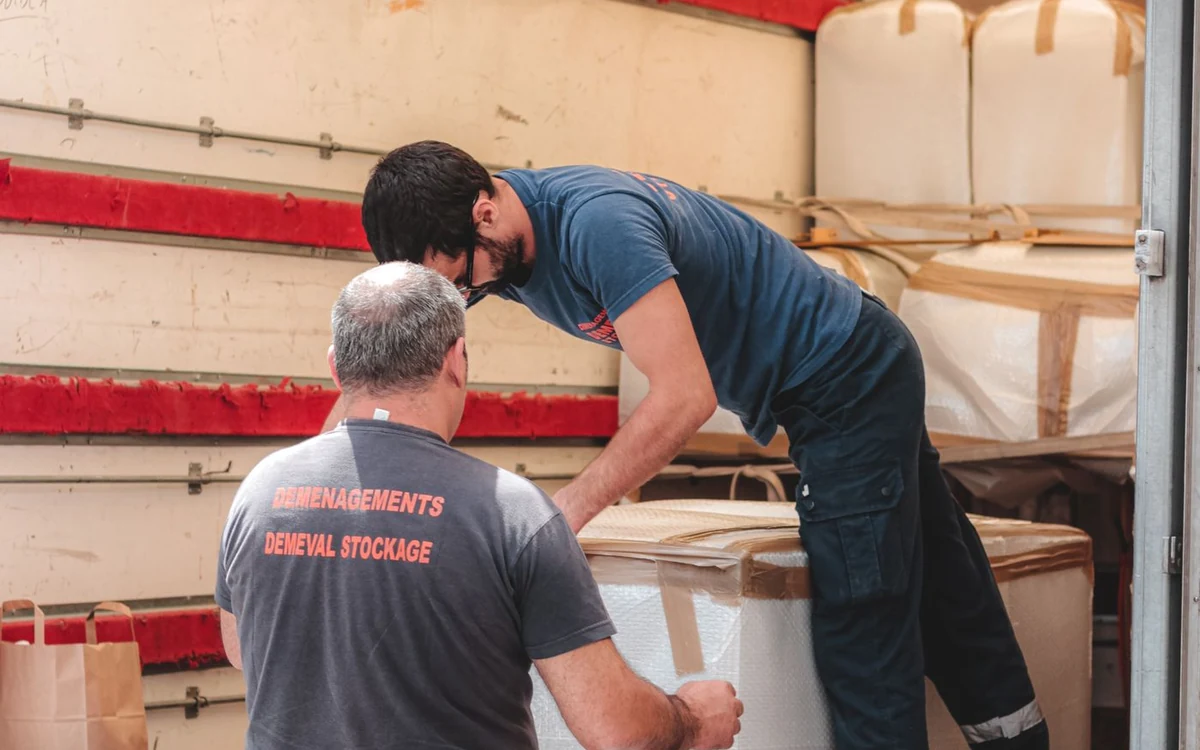
Moving day feels calm when you know what happens next. Our packing and moving process is written down, repeated on every job and explained to you before booking. Here is the full sequence.
1. Share your requirement
Send your pickup and drop addresses, a rough list of items and your preferred date. Photos or a video help us quote accurately without a visit.
2. Get a written estimate
We break down packing material, labour, vehicle, distance, tolls and optional insurance. Nothing is added later without your approval.
3. Survey when needed
For large homes, offices and delicate items, a consultant visits the site to check access, volume and special handling requirements.
4. Packing day
The crew arrives with material, labels every carton by room, wraps fragile items individually and prepares a signed inventory.
5. Loading and transport
Heavy pieces go in first, cartons are stacked by room and the vehicle is sealed or covered as required. You get status updates from your manager.
6. Delivery and unpacking
We unload in order, place furniture where you want it, reassemble basic pieces, remove packing waste and close out the inventory.
How we protect your goods
Fragile items are wrapped individually in bubble wrap and soft sheets, then packed in cartons or crates with cushioning. Furniture corners get guards, mattresses get covers and electronic items are packed with anti-static material where needed. Cartons are labelled by room and by content so unloading stays organised.
What you should do before we arrive
- Keep documents, keys, jewellery, cash and medicines in a personal bag.
- Remove perishables and liquids from the packing list.
- Dismantle simple fixtures yourself if you prefer, or let our crew do it.
- Share the gate timings and height limits of both addresses.
Anything else can wait for our crew. If you are moving from a society in Dwarka, Rohini or Saket, inform the association a day early so the lift and parking slot are reserved.
The packing materials we use and why
Using the right material is the quiet half of a successful move. For everyday household goods we use five-ply cartons in a few standard sizes, because a well-filled carton is stronger than an overfilled one. Crockery, glassware and decorative pieces are wrapped individually in bubble wrap, then separated by corrugated sheets inside the carton so they cannot knock together. Furniture is covered with thick blanket sheets and corner guards; mattresses get breathable covers that protect against dust without trapping moisture. Electronics are packed with anti-static wrapping where appropriate, and cables are bagged and labelled so they can be reconnected quickly at the other end.
Items that do not fit a standard carton — a large mirror, a glass dining top, a sculpture or a television — are assessed case by case. Where a crate is the right answer, we build one to size with internal bracing. This costs more than wrapping, but it is far cheaper than replacing a broken pane. We explain the difference in the quote and never switch a customer to a cheaper method without asking. If you have an item of unusual value, photograph it before packing and tell the move manager so it can be recorded in the inventory.
How loading order protects your goods
Loading is not simply a matter of carrying everything to the truck. Heavy, sturdy pieces go in first and form the base: wardrobes, bookcases, refrigerators and loaded cartons of books. Lighter cartons go on top, and anything fragile is loaded last and secured so it cannot be crushed. Cartons are grouped by destination room, which means the crew at the other end is not hunting through the truck for the kitchen box while the family is waiting for a kettle. The driver checks that the load is evenly balanced and that nothing can slide when the vehicle brakes.
For long moves, the vehicle is covered or sealed as appropriate. For local moves in Delhi, we still cover the load because a sudden shower on the Ring Road can soak an unprotected carton. Before the vehicle leaves, the supervisor walks around it, checks the tailgate and takes a photograph for the record. These habits are unglamorous, and they are the reason the majority of our moves arrive exactly as they left.
Working with lifts, stairs and society rules
Access is the single biggest variable in a Delhi move, so we ask about it before we quote. If your building has a service lift, we need its dimensions and the hours it can be used. Many societies in Dwarka, Rohini and Saket ask for advance notice and a security deposit for lift use; some restrict movement to mornings or late evenings. In older builder floors, there may be no lift at all and the staircase turns at a awkward landing. Knowing this in advance lets us send the right number of handlers and choose a vehicle that can park within a reasonable carrying distance.
On the day, the crew introduces itself at the gate, shows any identification the building requires and keeps the common areas clear. We bring floor protection where needed and tidy the packing waste before we leave. If a rule changes at the last minute, the move manager calls you before any extra charge is discussed. We would rather wait twenty minutes for a lift than damage a wall or argue with a security desk.
From unloading to a usable home
Unloading follows the reverse of the packing plan. The crew asks where large items should go before setting them down, so you are not left moving a wardrobe across a finished room. Basic reassembly — refitting legs, shelves and detachable parts — is included where the quote says it is, and packing material is gathered and removed. The supervisor then walks the inventory with you room by room. If a carton label is unclear, we open it together rather than guess.
Once the team leaves, take ten minutes to settle in. Plug in the refrigerator only after it has stood upright for the recommended period. Check that appliance parts and cable bags are in the rooms they belong to. If you spot damage later, email the reference number and a photograph; the condition report and inventory give us a clear basis for a quick decision. Most issues are resolved with a repair or a replacement carton within a couple of days.
Moving charges at a glance
Find your row and column, then apply the city tier below.
| House size | Local within 50 km | 200–500 km | 500–1,500 km | 1,500+ km |
|---|---|---|---|---|
| 1 RK / Studio5–10 cartons, basic furniture | ₹4,500 – ₹9,000 | ₹9,000 – ₹16,000 | ₹18,000 – ₹30,000 | ₹30,000 – ₹48,000 |
| 1 BHK15–25 cartons, bed, sofa, fridge | ₹6,000 – ₹12,000 | ₹12,000 – ₹22,000 | ₹22,000 – ₹38,000 | ₹36,000 – ₹60,000 |
| 2 BHK30–45 cartons, full home | ₹9,000 – ₹18,000 | ₹18,000 – ₹32,000 | ₹32,000 – ₹55,000 | ₹52,000 – ₹88,000 |
| 3 BHK50–70 cartons, multi-room | ₹14,000 – ₹26,000 | ₹26,000 – ₹46,000 | ₹46,000 – ₹78,000 | ₹72,000 – ₹1,20,000 |
| 4 BHK / Villa80+ cartons, large furniture | ₹22,000 – ₹42,000 | ₹42,000 – ₹72,000 | ₹72,000 – ₹1,20,000 | ₹1,10,000 – ₹1,85,000 |
| 5 BHK / Bungalow100+ cartons, multiple vehicles | ₹32,000 – ₹60,000 | ₹60,000 – ₹1,00,000 | ₹1,00,000 – ₹1,70,000 | ₹1,55,000 – ₹2,60,000 |
City tier adjustment
Example: 2 BHK, 700 km, Tier 1 ≈ ₹35,200 – ₹68,750.
Indicative bands. The written quote after inventory is final; GST, tolls and optional cover are separate.
Frequently asked questions
How long does packing take?
A 1BHK usually takes two to four hours, a 2BHK four to six hours and a larger home or office most of a day. Access and the number of fragile items affect the timing.
Can I pack some things myself?
Yes. Keep documents, jewellery, cash and medicines with you. If you pack personal items yourself, our team can still wrap and label the cartons for transport.
Will you remove the packing material after delivery?
Yes. We take away cartons, wraps and debris after unpacking, leaving your new place ready to live or work in.
Do you provide written quotes for Packing and Moving Process in Delhi?
Yes. We send an itemised quote that separates packing, labour, transport and optional services.
How do I book a moving service in Delhi?
Share your pickup, destination and item details by email or through the enquiry form. We reply with a written quote and dates.
Do you serve all Delhi localities?
Yes. Our crews cover Central, West, South West, South, South East, East, North East and North Delhi.
Is transit insurance optional?
Yes. Optional all-risk cover is available for household and vehicle moves, with terms explained before you confirm.
What payment methods are accepted?
We share accepted payment methods in the written quote. A reasonable advance and balance at delivery is the usual pattern.