
A practical comparison of open and enclosed car carriers, with preparation and documentation checks for a Delhi move.
What the two options really mean
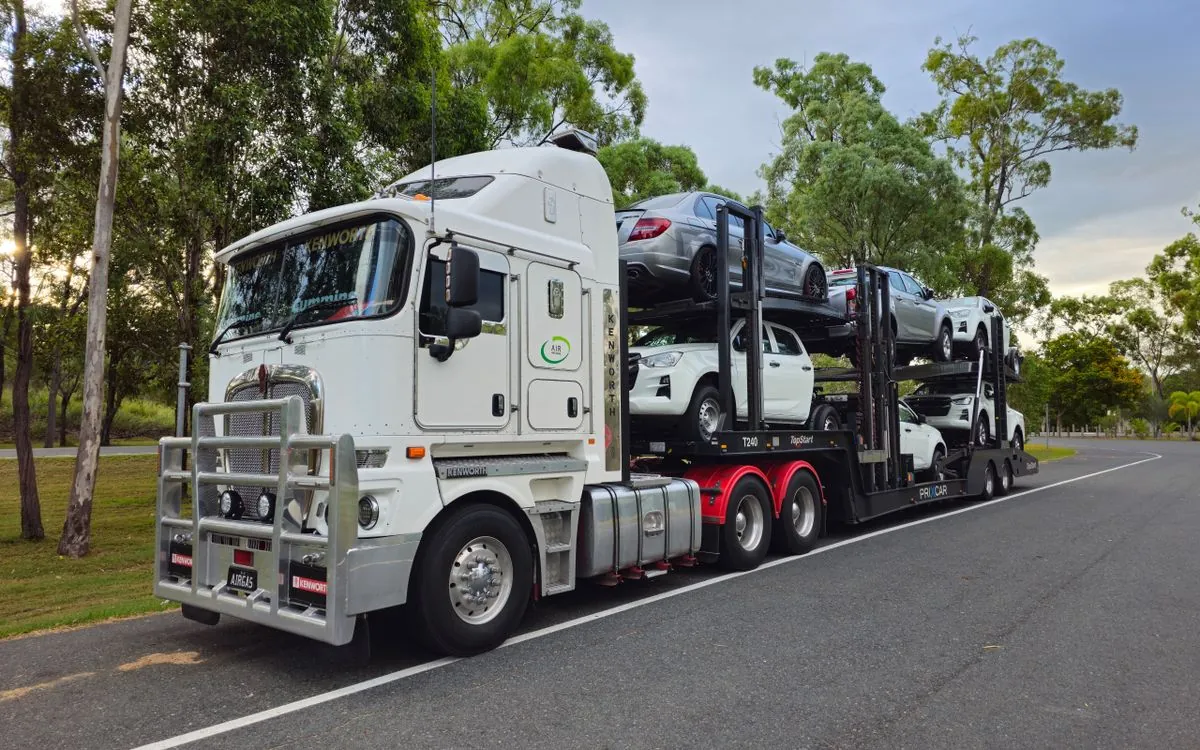
When a car is transported on a truck, it usually travels either on an open carrier or inside an enclosed one. An open carrier is a flatbed or multi-car trailer exposed to the sky. An enclosed carrier is a covered trailer with walls and a roof. The choice is not about how far the car goes; it is about how much protection you want from weather, dust and other cargo during the hours it is outside your control.
Most everyday moves use open carriers because they are common and economical. The car is strapped to the deck and covered only by the sky. It will arrive with road dust, and a sudden hailstorm or a branch on a parked truck can leave a mark. Enclosed transport reduces those risks but costs more and may take longer to arrange. Understanding the trade-off helps you decide based on the car, not on a generic idea that one option is always better.
- Open: economical and exposed
- Enclosed: protected and costlier
- Decision depends on the car and route
When an open carrier makes sense
An open carrier is a sensible choice for a regular family car that you use daily and that already has a few stone chips. If the journey is short and the vehicle will be driven off the trailer soon after arrival, the dust can be washed away in minutes. Many Delhi-to-nearby-city moves fall into this category, especially when the car is not due for a showroom-like finish at the other end.
It is also the practical option when the budget is fixed and the car is not especially valuable. Ask the carrier about the type of open trailer: a two-car ramp truck involves fewer cars and less movement, while a larger multi-car carrier may load and unload several vehicles at different stops. More stops mean more handling. Neither is wrong, but you should know which one you are booking before the pickup time.
- Daily-use cars
- Short direct journeys
- Fixed budget
- Ask about number of stops
When enclosed transport is worth the cost
Enclosed transport is worth considering for a new car, a luxury model, a classic vehicle or any car with a finish you would be unhappy to see scratched. It also makes sense when the move happens during the monsoon or in the peak of summer, when dust and sudden rain are part of the Delhi routine. The covered trailer keeps the paint and the interior cleaner and reduces the chance of a weather-related mark.
The extra cost buys controlled handling as much as cover. Enclosed carriers often carry fewer vehicles, so the crew has time to strap carefully and the car is less likely to be moved aside for another delivery. If you are transporting a car along with household goods, ask whether the enclosed trailer can share space; usually it cannot, and you may need a separate vehicle. Plan that into both the budget and the arrival timing.
- New, luxury or classic cars
- Monsoon and dusty summer moves
- Fewer vehicles, more care
- May require a separate truck
Preparing the car before pickup
Prepare the car as if it will sit outside for a day. Wash it lightly so existing scratches can be seen, and photograph every panel with a date stamp or a saved file. Note the odometer reading and the fuel level; about a quarter of a tank is sensible. Remove loose items from the cabin and boot, including parking tickets, sunglasses and documents. A clean interior also makes it easier to notice any water entry at delivery.
Fold the mirrors if the carrier advises it, and remove or secure any external accessories such as a roof carrier or a custom number plate frame. Check the tyre pressure and make sure the handbrake is not so tight that it could strain during a long halt. If the car is financed or registered in another state, keep the required NOC or permission papers in your folder. Hand over only one set of keys and keep a spare with you.
- Dated photos of every panel
- Quarter tank of fuel
- Empty cabin and boot
- Required registration papers
Photos, documents and insurance
Car transport insurance is commonly offered by the carrier, but the wording matters. Ask for the insured value, the excess, and whether the cover includes weather damage, theft and loading scratches. A policy that excludes acts of nature is of limited use in a Delhi monsoon. If your own motor policy includes transit, ask your insurer in writing; never rely on an assumption made over the phone.
Keep the documents together: registration copy, insurance copy, NOC if needed, pickup receipt and delivery note. The pickup receipt should record the odometer reading, fuel level and any visible damage. At delivery, compare the car with your photos before you sign. If a new scratch is present, write it on the delivery note and take a photo immediately. These steps are simple, and they make any conversation with the insurer factual rather than emotional.
- Insured value and excess
- Weather and theft coverage
- Pickup receipt with condition
- Inspect before signing
The loading and unloading process
At pickup, the driver should use a proper ramp or a lift platform, not drive the car onto an improvised slope. Watch where the straps go; they should pass over wheels or approved anchor points, not over the bodywork or the spoiler. Ask the crew to leave enough slack for suspension movement but not so much that the car shifts. A few minutes spent watching loading is more useful than a long call afterwards.
During transit, the car may stop at other locations if the trailer carries multiple vehicles. This is normal on open carriers, but it means the arrival window is wider. Ask the carrier to share the vehicle number and the driver’s contact the previous evening. At delivery, inspect the underside if the route involved heavy rain, and start the engine briefly. Check that the odometer difference is reasonable; a large jump should be questioned politely.
- Proper ramp or platform
- Straps on approved points
- Expect a wider arrival window
- Check odometer at delivery
Delhi-specific considerations
Delhi adds its own details. Many residential lanes cannot take a large trailer, so the pickup may need to happen at a nearby wider road or a society’s designated loading point. Confirm this with both the society and the carrier. If the car is being moved from a basement parking with a low ceiling, an enclosed trailer may not be able to enter; the car may need to be driven out to street level first.
Timing matters too. A pickup scheduled during the morning school rush near a South Delhi school can take far longer than expected, and an evening arrival near the Ring Road can be delayed. Choose a window that leaves time for paperwork and a calm inspection in daylight. If the car must be handed over by a family member, send a short note listing what to check and where the spare key is kept. Good handovers are specific, not rushed.
- Confirm pickup point with society
- Basement height limits
- Avoid school-rush timings
- Daylight arrival helps inspection
Questions to ask before booking
Before booking, ask whether the quoted rate is for a dedicated vehicle or a shared trailer, and how many cars will be on board. Ask what happens if the trailer cannot reach your address and a smaller vehicle must shuttle the car. Confirm whether the price includes loading, strapping, unloading and documentation assistance, or whether any of these are charged separately.
Then ask about insurance in the same breath as price. A lower quote without cover can become expensive very quickly if a panel is damaged. Request a written summary with the vehicle type, the pickup window, the delivery window, the insured value and the contact number of the person who will be present. If the answers are specific and unhurried, you are probably dealing with a team that will treat the car the same way on the day.
- Dedicated or shared trailer
- Number of cars on board
- Reachability and shuttle charges
- Written summary before payment
Preparing the car for the carrier
Whether you choose an enclosed carrier or an open one, the car should be ready in the same way. Clean it, dry it and take dated photographs from all four corners, including the roof and the bumpers. Note existing dents in writing on the handover sheet. Keep the fuel tank around a quarter full: enough to drive to and from the terminal, but not so full that transport becomes heavier than necessary. Remove toll tags, parking stickers, chargers, sunglasses and documents from the cabin. A carrier is responsible for the vehicle, not for personal items left inside it.
Agree on how the car will be loaded and secured. Ask where the straps will touch the body and whether soft pads will be used. If you have low ground clearance, mention it clearly before the ramp is positioned. Take a photo of the key set and note how many keys you handed over. On delivery, walk around the car slowly before starting the engine, and compare it with your photographs. Check the odometer and note any increase that cannot be explained by loading and unloading. A few minutes of careful checking at both ends is far easier than a claim weeks later.
- Take dated photographs from all four sides.
- Remove personal items and toll tags from the cabin.
- Tell the driver about low ground clearance in advance.
- Compare the car with your photos before signing delivery.
Moving charges at a glance
Find your row and column, then apply the city tier below.
| House size | Local within 50 km | 200–500 km | 500–1,500 km | 1,500+ km |
|---|---|---|---|---|
| 1 RK / Studio5–10 cartons, basic furniture | ₹4,500 – ₹9,000 | ₹9,000 – ₹16,000 | ₹18,000 – ₹30,000 | ₹30,000 – ₹48,000 |
| 1 BHK15–25 cartons, bed, sofa, fridge | ₹6,000 – ₹12,000 | ₹12,000 – ₹22,000 | ₹22,000 – ₹38,000 | ₹36,000 – ₹60,000 |
| 2 BHK30–45 cartons, full home | ₹9,000 – ₹18,000 | ₹18,000 – ₹32,000 | ₹32,000 – ₹55,000 | ₹52,000 – ₹88,000 |
| 3 BHK50–70 cartons, multi-room | ₹14,000 – ₹26,000 | ₹26,000 – ₹46,000 | ₹46,000 – ₹78,000 | ₹72,000 – ₹1,20,000 |
| 4 BHK / Villa80+ cartons, large furniture | ₹22,000 – ₹42,000 | ₹42,000 – ₹72,000 | ₹72,000 – ₹1,20,000 | ₹1,10,000 – ₹1,85,000 |
| 5 BHK / Bungalow100+ cartons, multiple vehicles | ₹32,000 – ₹60,000 | ₹60,000 – ₹1,00,000 | ₹1,00,000 – ₹1,70,000 | ₹1,55,000 – ₹2,60,000 |
City tier adjustment
Example: 2 BHK, 700 km, Tier 1 ≈ ₹35,200 – ₹68,750.
Indicative bands. The written quote after inventory is final; GST, tolls and optional cover are separate.
Frequently asked questions
Which is better: open or enclosed?
Neither is universally better. Open carriers suit everyday cars and shorter budgets; enclosed carriers suit valuable or weather-sensitive cars. Decide on the car’s condition and the route.
Will my car get dirty on an open carrier?
Yes, some road dust is normal. It usually washes off easily. If a clean arrival matters, choose enclosed transport or plan a wash after delivery.
Can I pack luggage in the car?
Usually no. Carriers prefer an empty cabin and boot because loose items move during transit and can affect claims. Ask before assuming it is allowed.
Do I need an NOC to move a car out of Delhi?
It depends on the registration and the destination state. Check with the RTO or the carrier’s documentation desk well before pickup; rules differ for loaned vehicles.
What should I do if the odometer reading changes a lot?
Note the pickup reading on the receipt and compare it at delivery. Ask the driver calmly and record the explanation. A small difference is normal; a large one needs clarification before you sign.
Do you provide written quotes for Delhi?
Yes. We send an itemised quote that separates packing, labour, transport and optional services.
How do I book a moving service in Delhi?
Share your pickup, destination and item details by email or through the enquiry form. We reply with a written quote and dates.
Do you serve all Delhi localities?
Yes. Our crews cover Central, West, South West, South, South East, East, North East and North Delhi.